


Recent News
Should you have any requirements, please do not hesitate to contact us. We provide dedicated service.
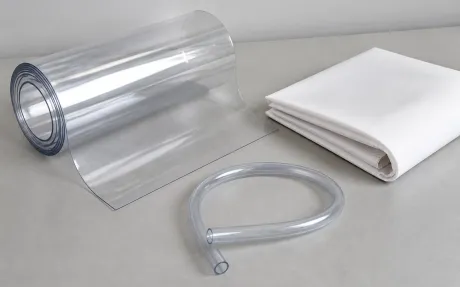
As demand grows for safer transparent films, flexible sheets, crystal fabrics, and light-box fabrics, PVC manufacturers face a formulation challenge that is more complex than simply increasing the fla
View More
As plastic materials are increasingly used in construction products, electrical components, transportation systems, wall panels, profiles, pipes, and other applications, flame performance has become a
View More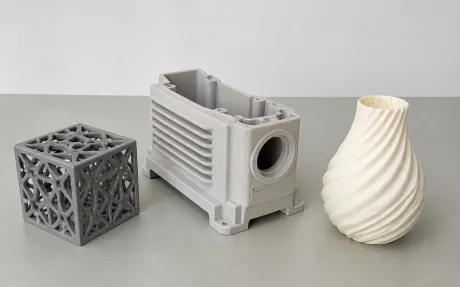
Why Foaming Agent Selection Matters in 3D Printing With the rapid development of lightweight manufacturing and additive manufacturing technologies, foamed PLA filament has become an important material
View More
PE wood-plastic composite (WPC) extrusion combines polyethylene resin with a high proportion of wood flour or other lignocellulosic fillers. This formulation can reduce material cost and provide a nat
View More
1. Understanding Your TPEE Material Requirements Before Choosing a Supplier Selecting the right TPEE Supplier is not only about comparing prices. The first step is understanding the specific material
View More
The quality and performance of PVC flooring products largely depend on the stability of the formulation during processing. As PVC materials require high-temperature extrusion, improper stabilization c
View More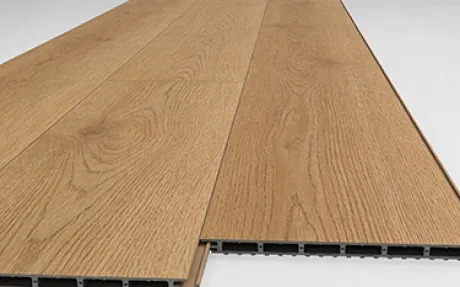
The rapid growth of SPC (Stone Plastic Composite) flooring has increased demand for high-performance additives that can improve processing stability, product consistency, and long-term flooring perfor
View More
Foam engineers rarely get a support call because a part is "too foamy." They get the call because the foam looks inconsistent — dense in one spot, coarse in another, with a surface that telegrap
View More
Fire performance has become one of the first questions building material buyers and profile manufacturers ask before placing an order. Whether the end product is a window profile or a drainage pipe, a
View More